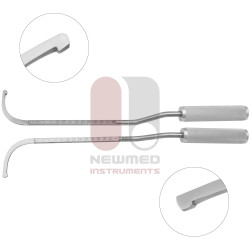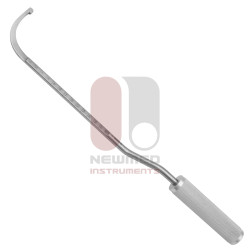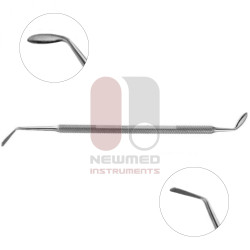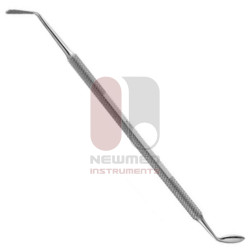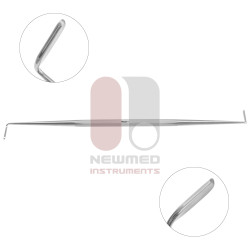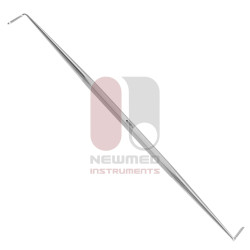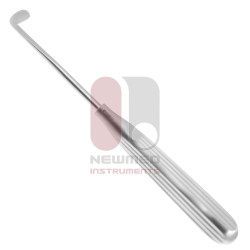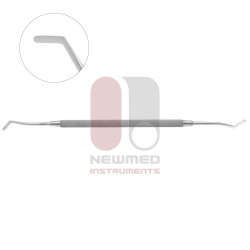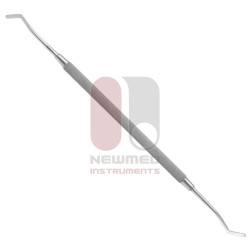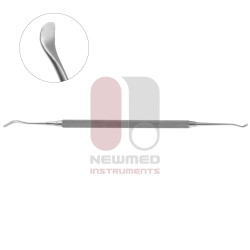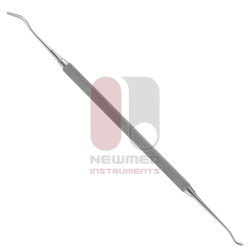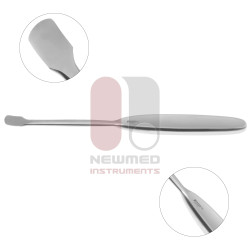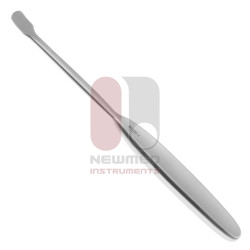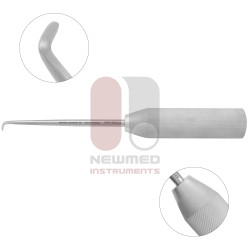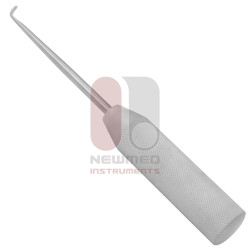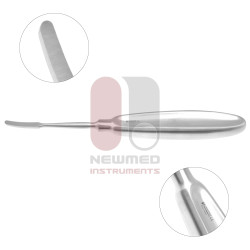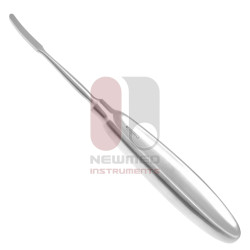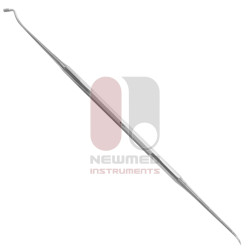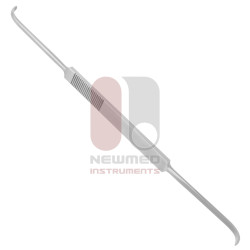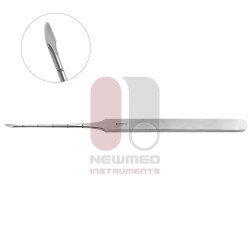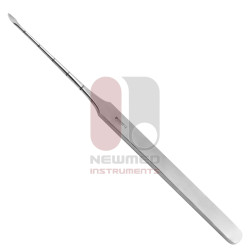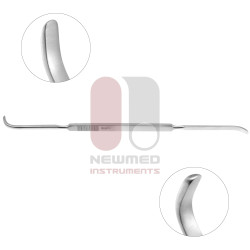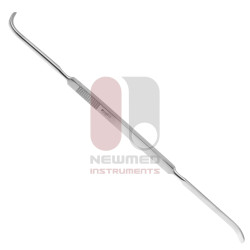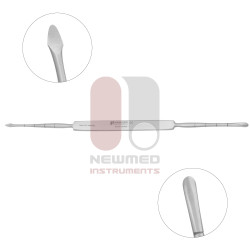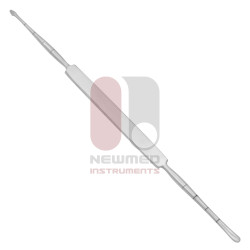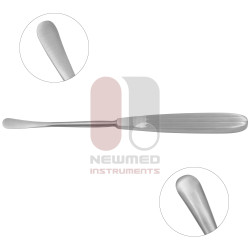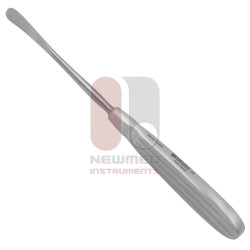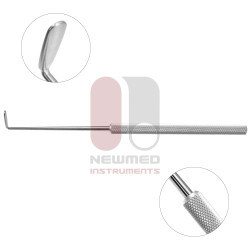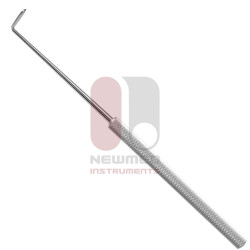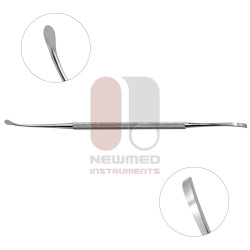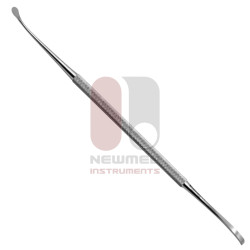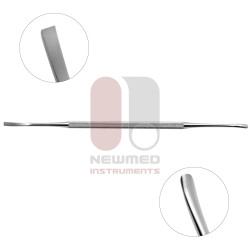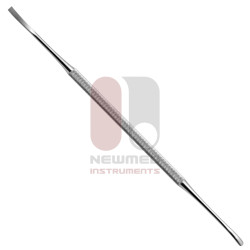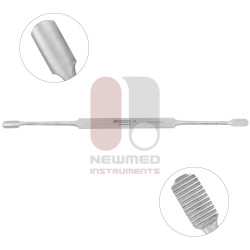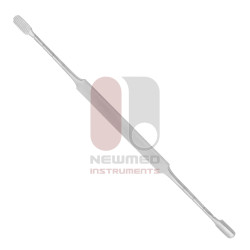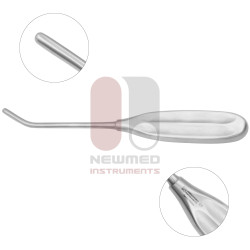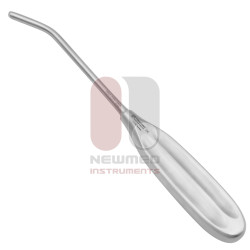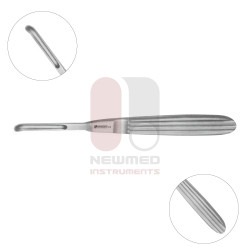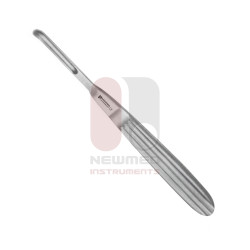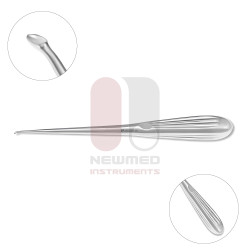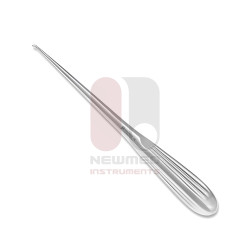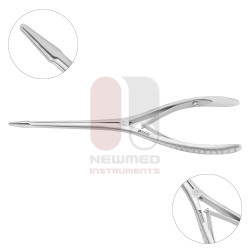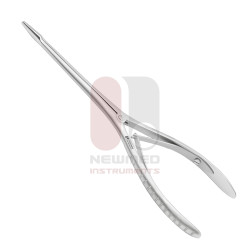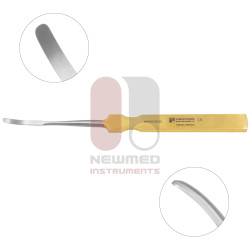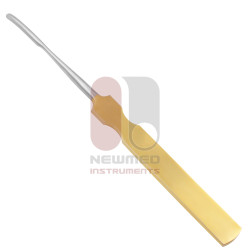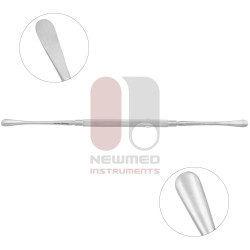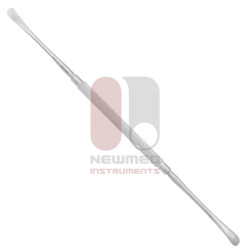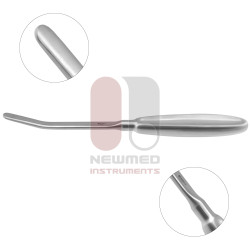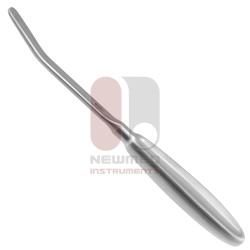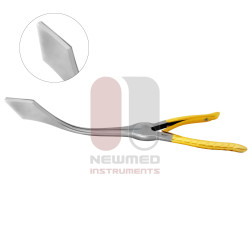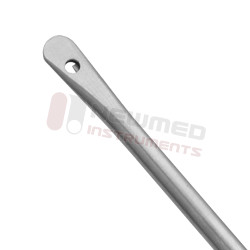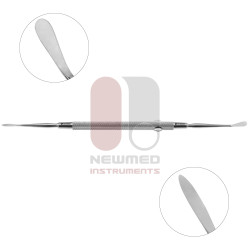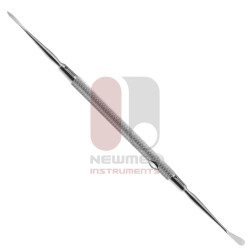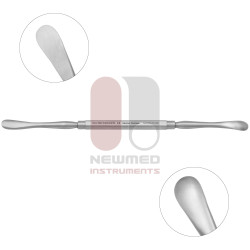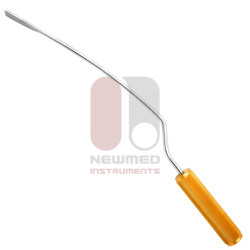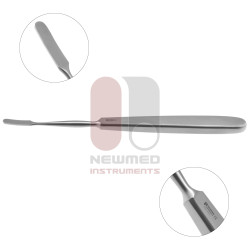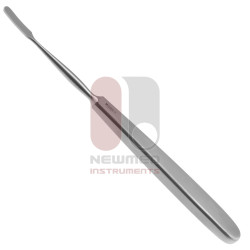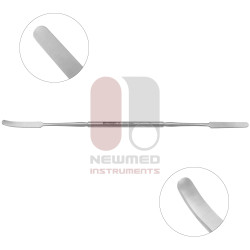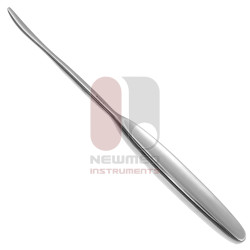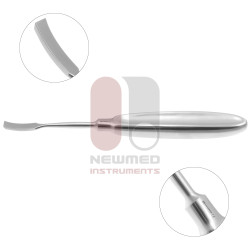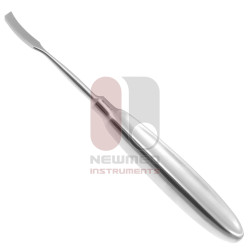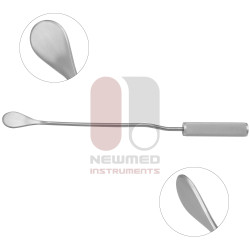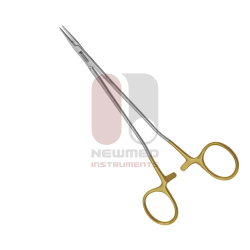
Dissectors & Elevators

Dissectors and Elevators
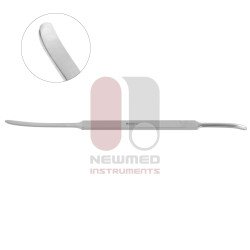
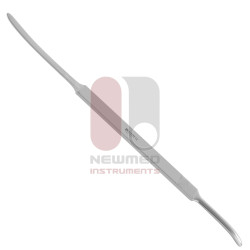
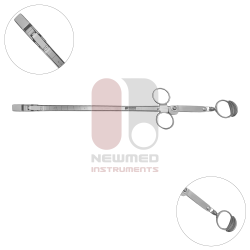
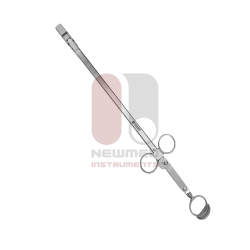
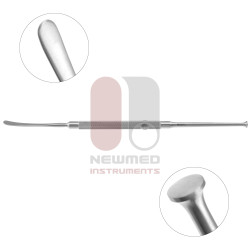
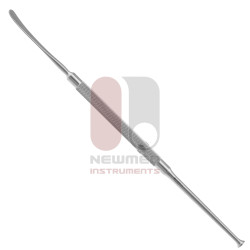
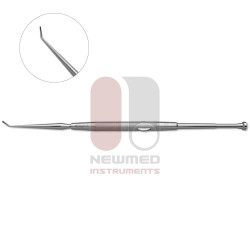
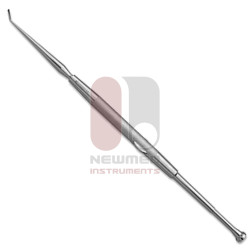
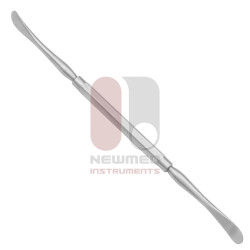
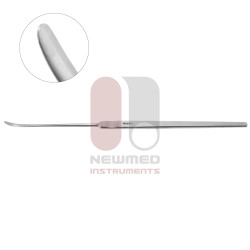
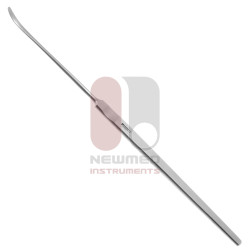
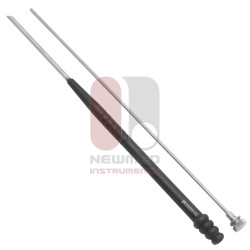
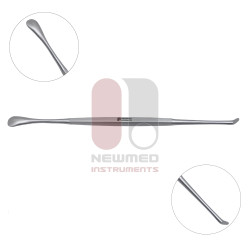
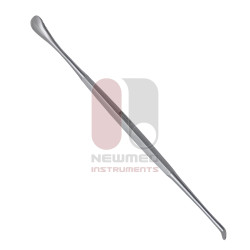
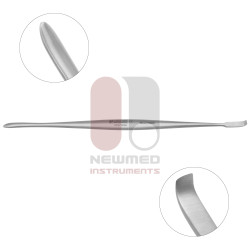
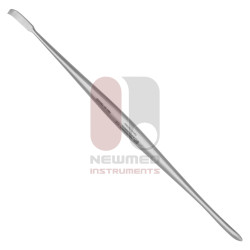
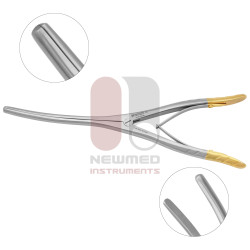
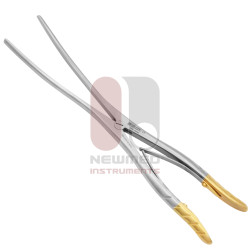
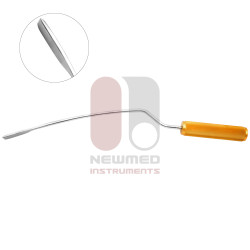
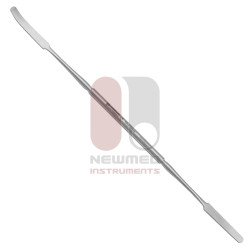
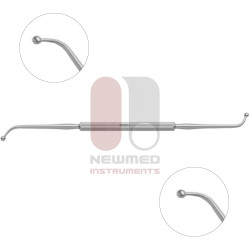
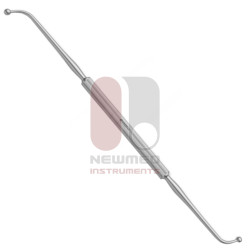
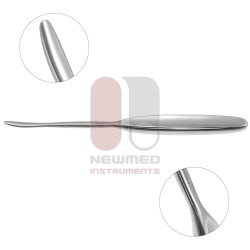
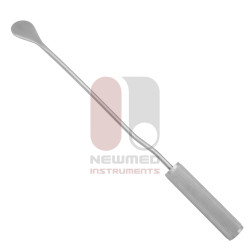
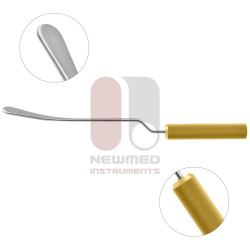
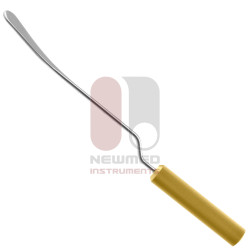
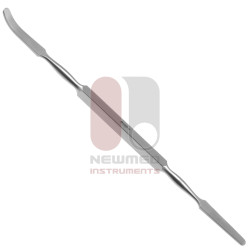
Dissectors and elevators, both, are surgical tools for separating, lifting, detaching, and mobilizing tissues in a procedure. The dissector tips serve the purpose of accessing delicate areas, and surgical elevators are used to lift and raise the tissues for better manipulation.
What are the Main Types of dissectors and elevators?
| Instrument | Configuration | Uses | Examples |
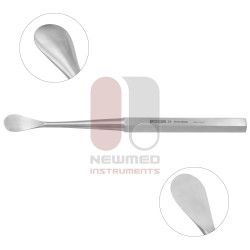
| Surgical Dissectors | Features a blunt, rounded, or contoured working end. | To separate and mobilize tissue planes during surgical dissection. | Surgical dissector |
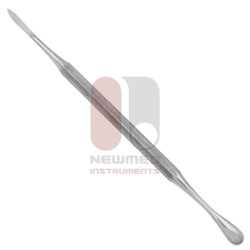
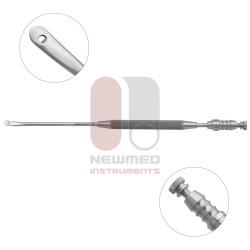
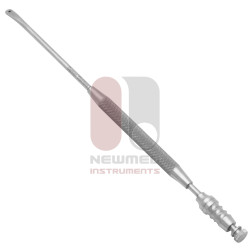
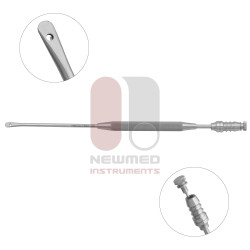
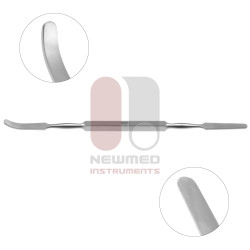
| Periosteal Elevators | Features a straight, curved, or angled blade with a firm handle. | For elevating periosteum from bone and exposing underlying surfaces. | Periosteal elevator, Joseph periosteal elevator |
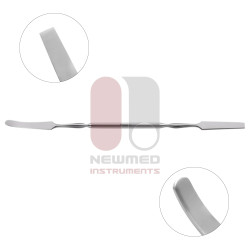
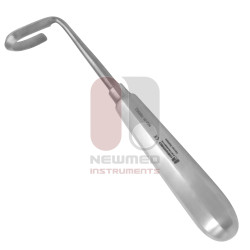
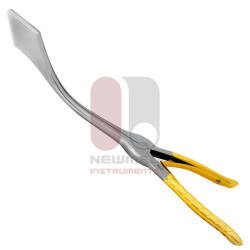
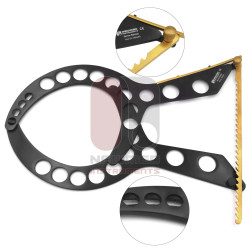
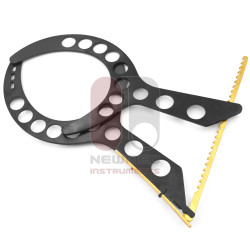
| Breast Dissectors | Made with a broad or curved surface; instruments used for breast augmentation pocket dissection | To develop and refine tissue planes during breast procedures. | Breast dissector, breast augmentation dissector, and transaxillary breast dissector |
| Septal Elevators | Features a thin, flat, or curved blade for controlled tissue elevation. | For elevating mucoperichondrial and mucoperiosteal flaps during septal procedures. | Septum elevator, Freer elevator, Cottle elevator |
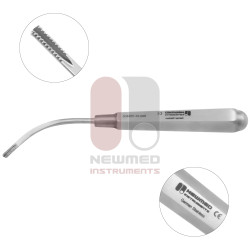
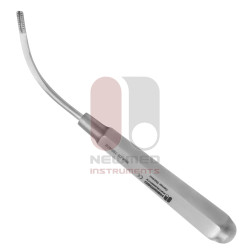
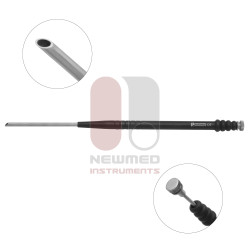
| Suction Elevators | Features an elevator tip with an integrated suction channel. | To elevate tissue while removing blood and fluids from the operative field. | Suction elevator septum |
| Facial and Zygomatic Elevators | Holds specialized blade profiles for facial bone access. | Assists in tissue elevation and exposure around zygomatic structures. | Zygoma elevator, Daniel Cakir elevator |
| Cleft Palate Elevators | Features a narrow or angled working tip for delicate tissue handling. | For elevating palatal mucoperiosteal flaps during reconstructive procedures. | Cleft palate elevator |
What Key Features make dissectors and elevators essential?
- The following factors must be considered before getting dissectors and elevators:
- Lengths, blade widths, angles, and working profiles
- Tips, dimensions, configurations
- Straight, curved, or angled ends
- Standard German stainless-steel or tungsten-carbide construction
- Matching the reprocessing facility
- Proper manufacturer documentation and certifications
FAQs
Q1: What are the uses of dissectors and elevators?
These surgical instruments cut, lift, move, and reveal soft tissues during procedures.
Q2: What is a Freer elevator used for in a surgery?
A Freer elevator is employed by a surgeon to lift septal and mucoperichondrial tissue while operating.
Q3: Periosteal elevator vs. a raspatory: what is the difference?
A periosteal elevator is an ordinary surgical instrument used to detach soft tissue from bone, while a raspatory is a specific kind of elevator with a curved and raspy edge, suited for scraping and polishing the bone surface.
Buy dissectors and elevators online
New Med is a certified surgical supplier that manufactures all types of plastic surgery instruments. If you are interested in getting dissectors and elevators for your procedure set, this category covers the main types and key features. To acquire your own, you can contact us now!