Cardiovascular Cannulas
Cardiovascular Cannulas: For Cardiac Perfusion Procedures
Cardiovascular cannulas help direct and drain blood during vascular surgeries. Learn their basic types, structure, and examples in this sectioned guide.
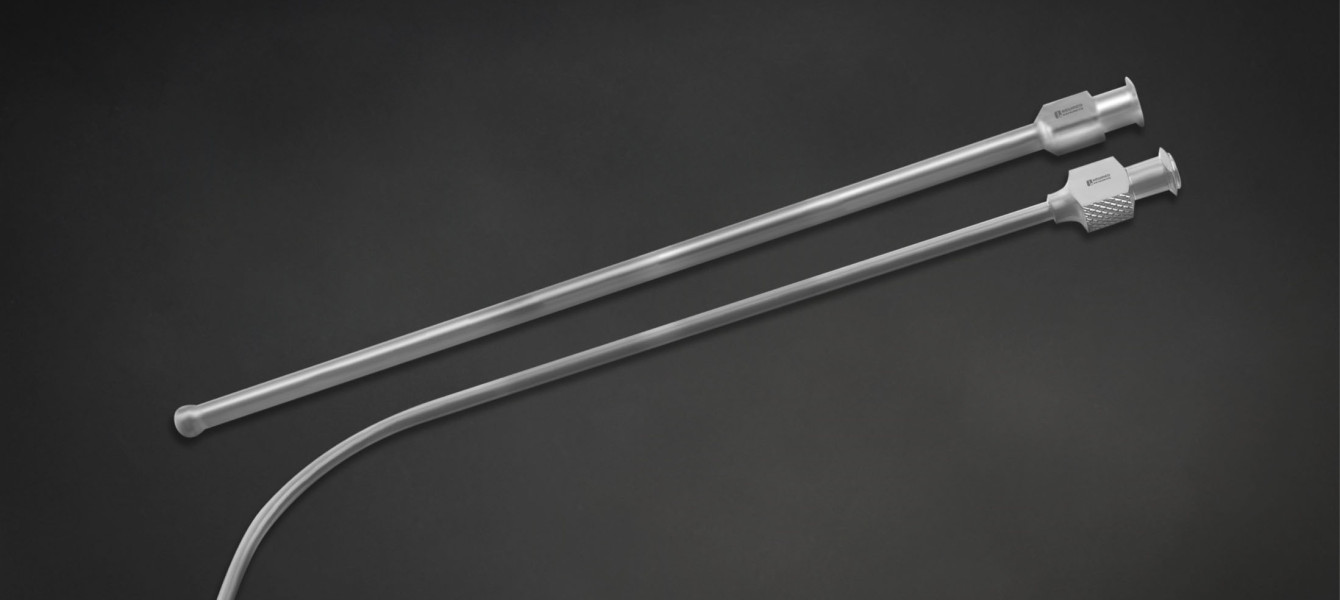
Cardiovascular cannulas are function-oriented, tube-like vascular tools inserted into the heart chambers or vessels. During different cardiac procedures, they help control the supply of blood. Cardiopulmonary bypass surgeries benefit from these tools as they help take deoxygenated blood and return oxygenated blood to the body.
This guide provides an overview of different types of cardiovascular cannulas. For further guidance, their roles and uses will also be covered.
What are the different Cannula types used in cardiovascular surgeries?
What are the defining characteristics of Cardiovascular Cannulas?
Note down the following defining traits and characteristics of cardiovascular cannulas. These traits make cardiac surgery cannulas one of their type:
Construction Material: All cardiovascular surgery instruments use biocompatible surgical-grade stainless steel. At times, the manufacturers may use Titanium for added protection in a magnetic field.
Flow Management System: Every cannula has a lumen design that helps pass the blood through it without any obstruction. This keeps the fluid flow stable throughout the different vascular procedures.
FAQs
Q1: How do surgeons select the size of cardiovascular cannulas?
Cardiovascular cannulas are selected by considering the patient’s age. This indirectly gives an idea about the size of their vessels.
Q2: What are the functional differences between venous drainage cannulas and cardiovascular perfusion cannulas?
A venous draining cannula helps take out the deoxygenated blood from the body. While the cardiovascular perfusion cannula assists in the prime circulation of the body throughout the various organs.
Q3: How do cardiovascular bypass cannula manufacturers make the cannulas safe?
Cardiovascular cannula manufacturers pass the surgical-grade cannulas through various tests. These tests check the tools against any kind of resistance towards kink or pass them through needle protection systems.
Q4: How are cardiovascular cannula constructed?
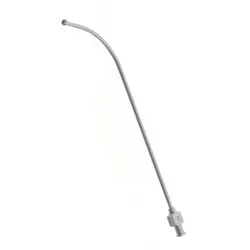
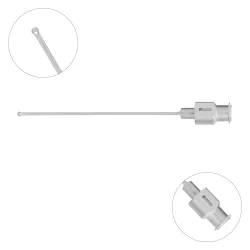
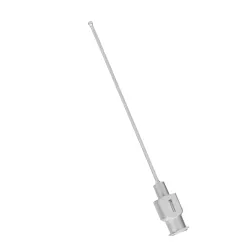
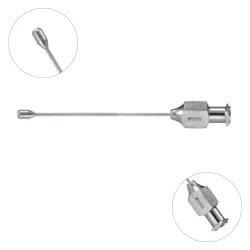
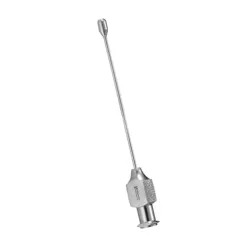
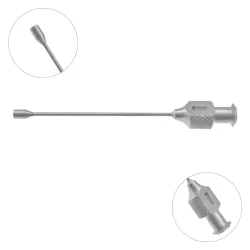
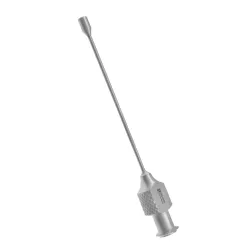
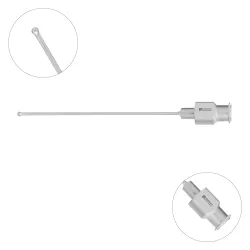
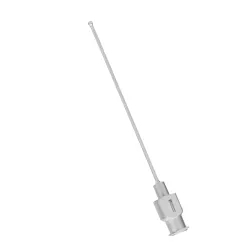
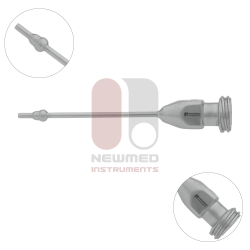
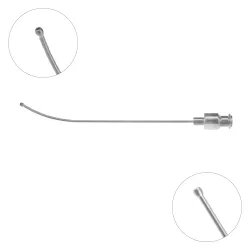
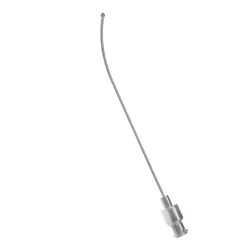
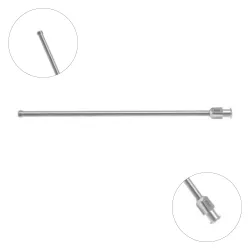
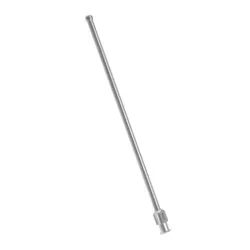
A cardiovascular cannula has a tube-like body, with a tip that can either be straight or angled. It also has a hub that helps it join the circuit tubing. It may have a flange for stability.
Q5: How can vascular cannulas make their way into a vessel?
It is a protocol to introduce a cannula into the aorta.
Get Valued Cardiovascular Cannula Online
New Med Instruments offers its share of expertise in the cardiac field with its top-grade cardiovascular surgery instruments, such as the cardiovascular cannula. This category section explains the major types and answers the popular questions. For guidance, contact us now!