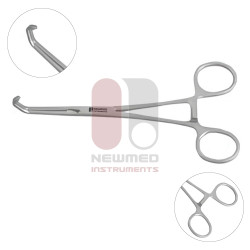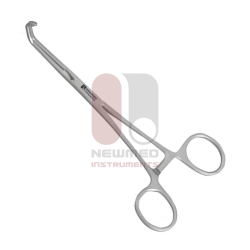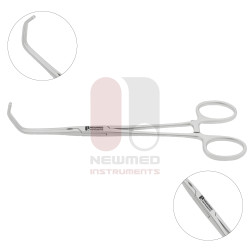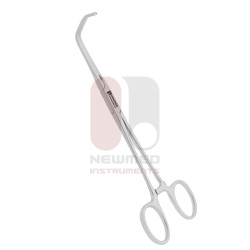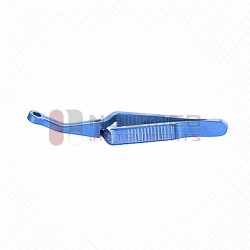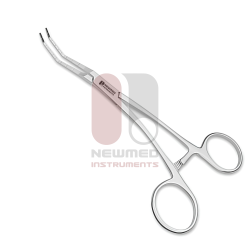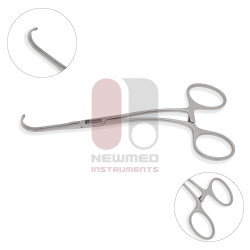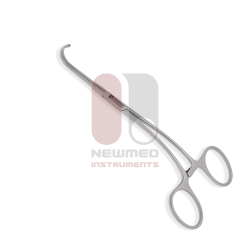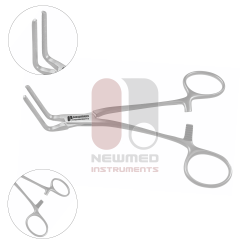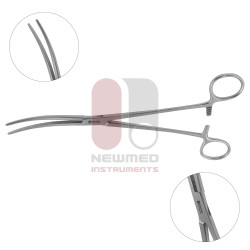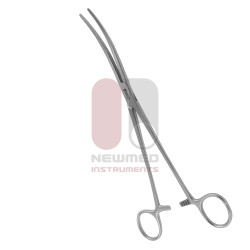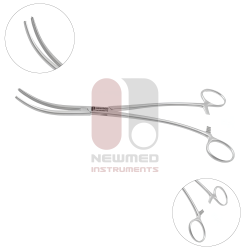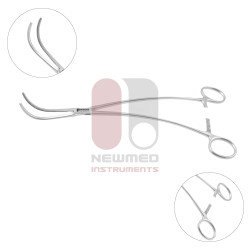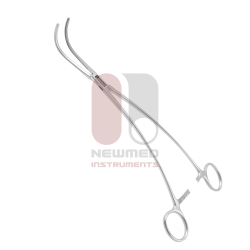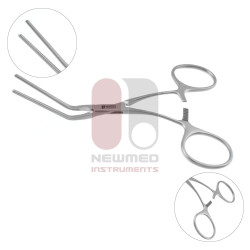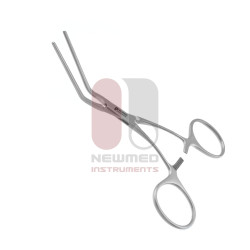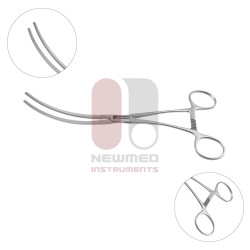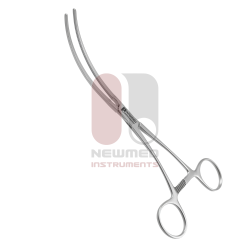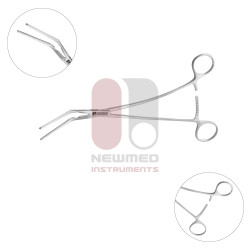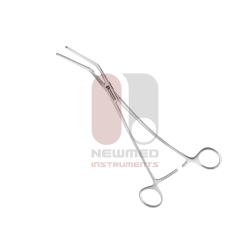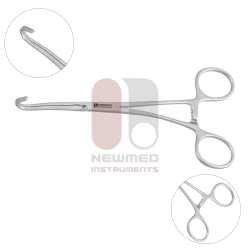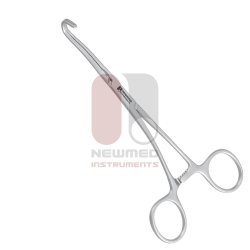
Cardiovascular Clamps
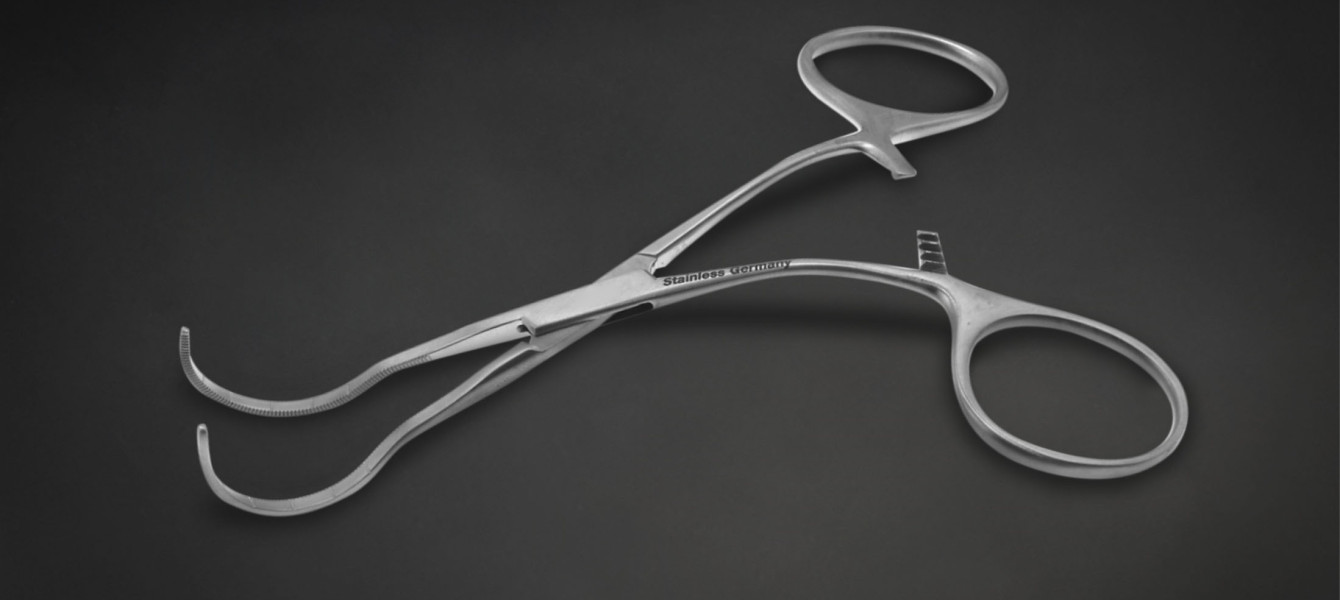
Cardiovascular Clamps | Tools for Vessel Control
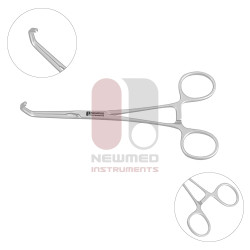
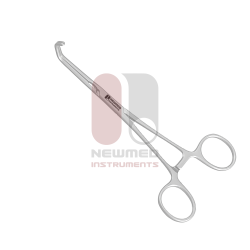
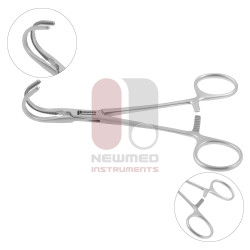
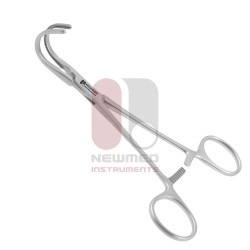
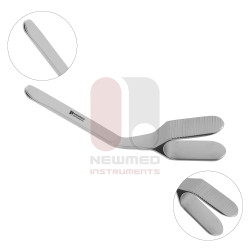
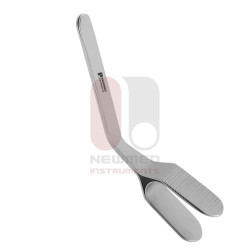
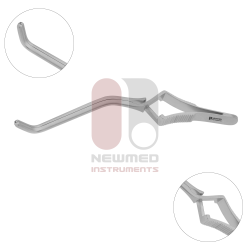
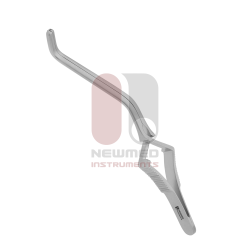
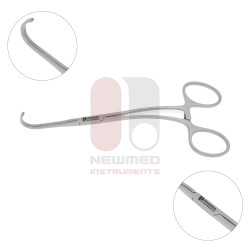
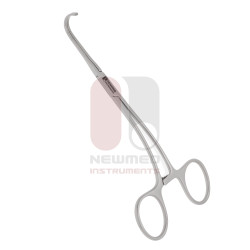
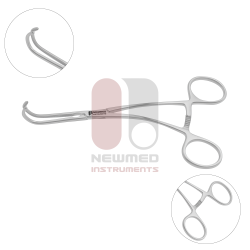
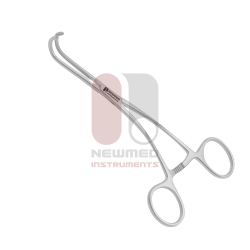
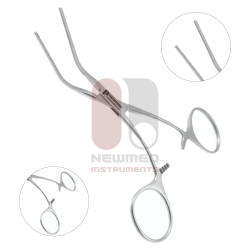
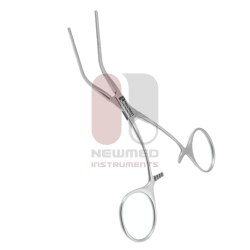
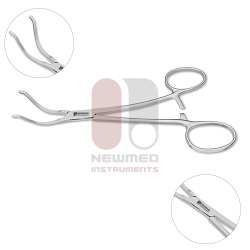
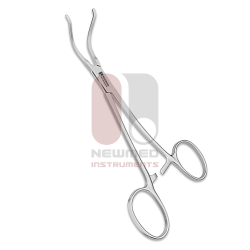
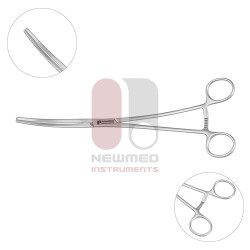
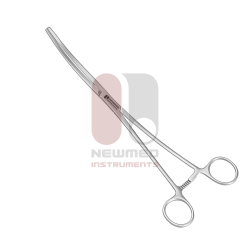
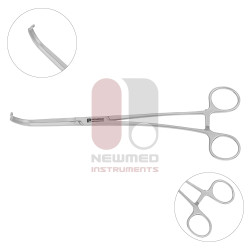
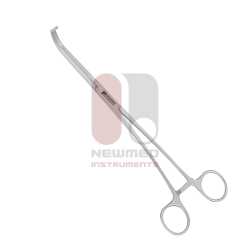
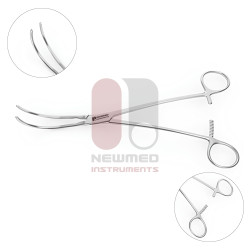
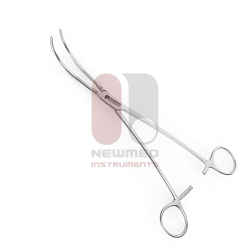
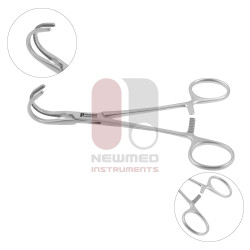
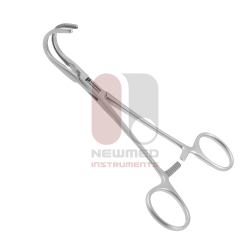
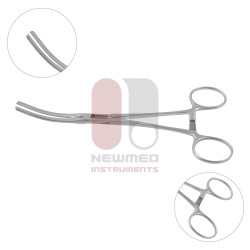
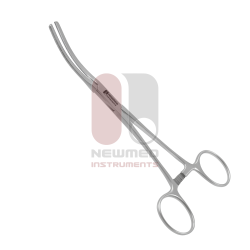
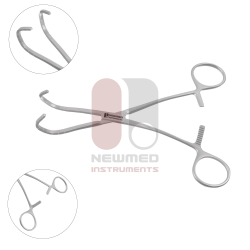
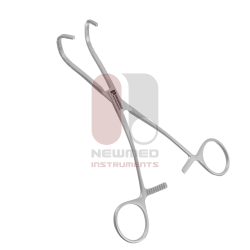
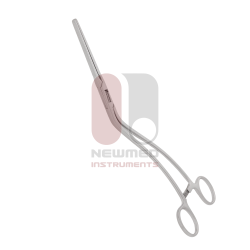
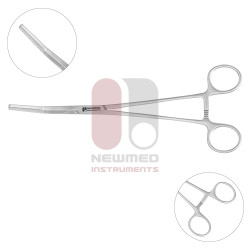
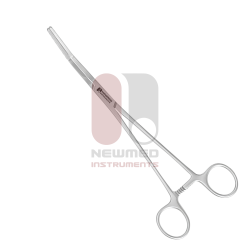
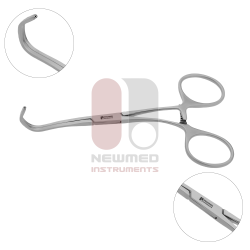
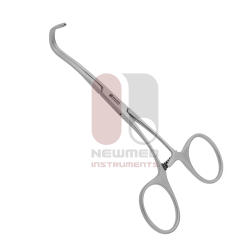
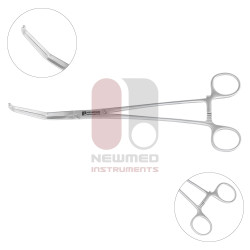
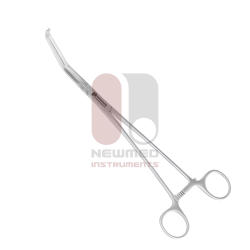
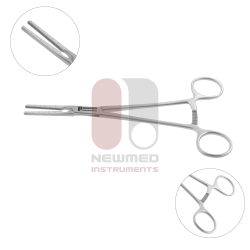
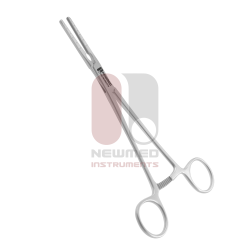
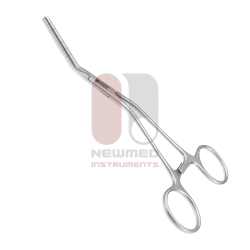
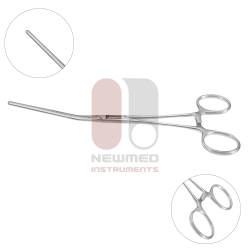
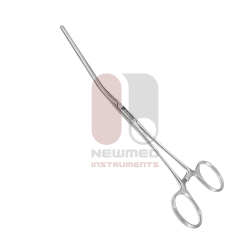
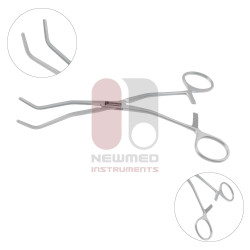
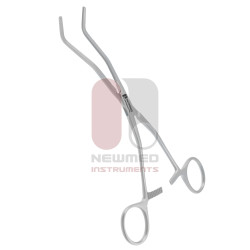
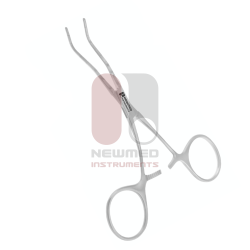
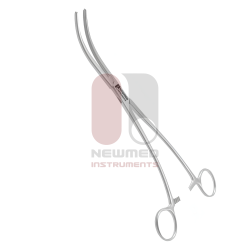
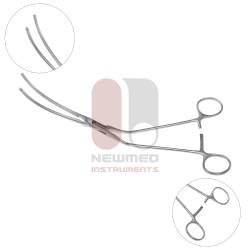
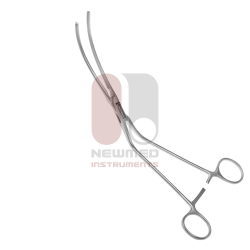
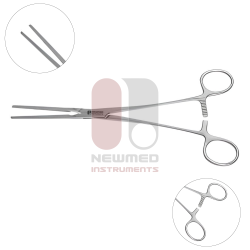
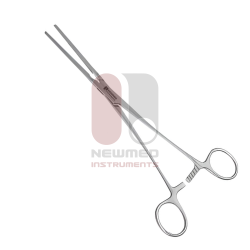
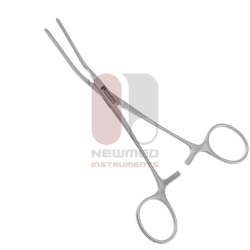
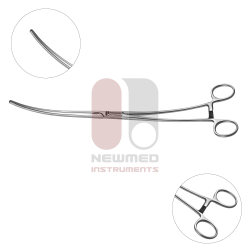
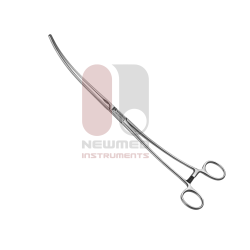
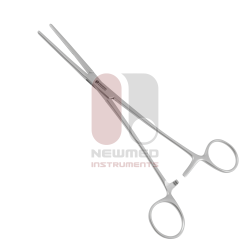
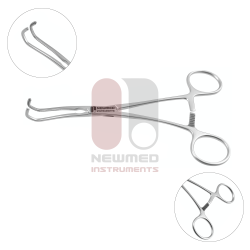
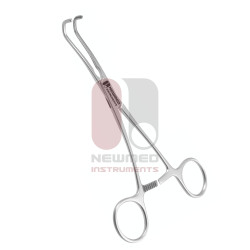
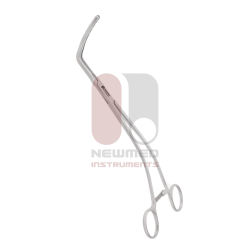
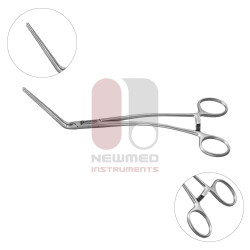
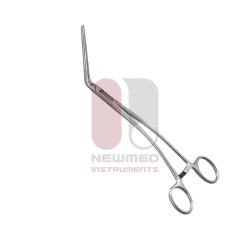
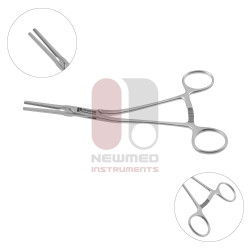
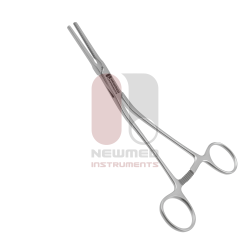
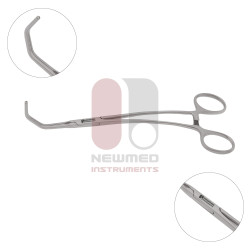
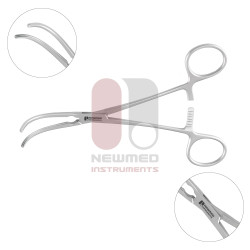
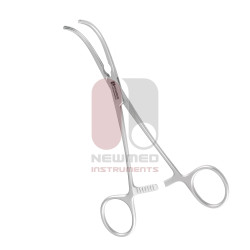
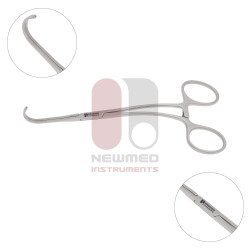
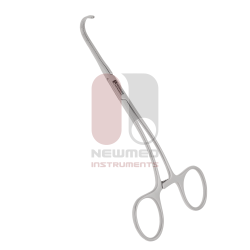
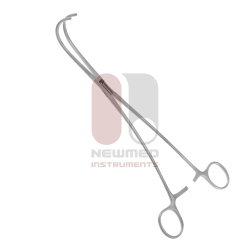
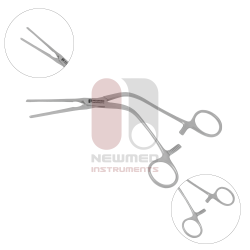
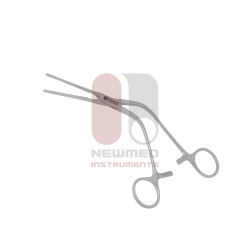
Cardiovascular clamps are purpose-driven cardiac surgery instruments for obstructing the flow of blood. Circulation needs to be controlled and managed. It’s the cardiovascular clamps taking care of this during cardiac procedures, such as cardiothoracic interventions and bypass surgeries.
This guide covers an account of different types of cardiovascular surgical clamps. We will discuss the functional design and structure, along with their uses.
What are the major types of cardiovascular clamps?
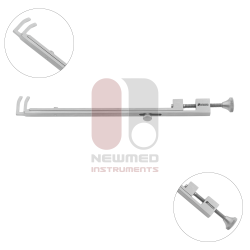
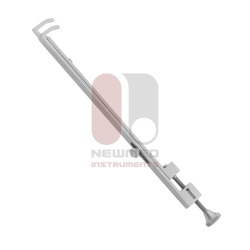
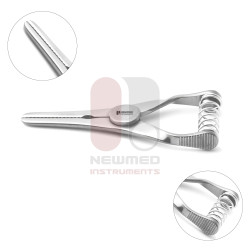
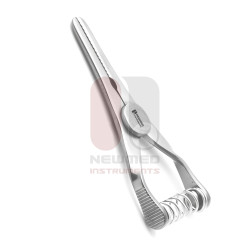
Note down the following different types of cardiovascular clamps and their features:
What are the defining features of Cardiovascular Surgical Clamps?
The following defining features of cardiovascular surgical clamps make them stand apart:
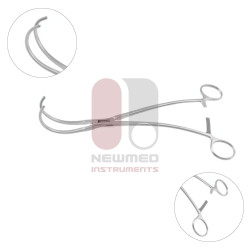
Safe Jaw Design: Clamps, usually the vascular clamps, feature either a serrated jaw design or a smoothly aligned jaw. These alignments make clamps safer to use on vessels.
Construction Material: Vascular clamps use high-grade surgical-level German Stainless Steel. The sizes are stamped on the inner side for ease of use and appropriate choice.
FAQs
Q1: Which cardiovascular surgical clamps must be present in a surgical field?
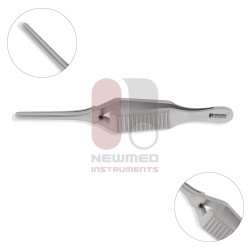
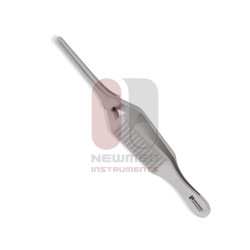
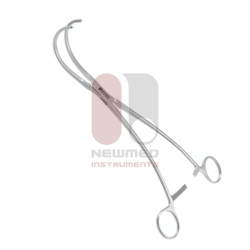
Every heart surgeon prefers to have a Satinsky clamp to partially stop the flow of blood, a DeBakey clamp to restrict the supply of blood with well-configured jaws, and a Bulldog clamp for clamping small vessels.
Q2: Can vascular clamps accidentally damage the vessels?
Accidents can happen. However, if a professional follows proper protocols, the chances of accidental damage can be diminished. Moreover, the clamps are constructed with atraumatic jaws to prevent such a happening.
Q3: Can I use my cardiovascular clamps repeatedly?
You can use your cardiovascular clamps for several years. However, the team needs to follow proper maintenance steps to make sure the tools remain in their right shape.
Q4: What primary functions does a vascular clamp perform?
The primary function of a vascular clamp is to stop the flow of blood through blood vessels.
Q5: Are titanium vascular clamps better than the others?
Yes, if you are dealing with intricate cardiac structures, getting titanium vascular clamps can be a safer option. Moreover, for surgical fields involving magnetic push, titanium tools can protect the manipulations.
Buy Cardiovascular Surgical Clamps Online
The vascular systems require clamping tools to prevent blood loss and keep the surgical site clear of any fluids. This section provides guidance on different types of vascular surgical clamps for a better understanding. If you have any questions, contact us right now!